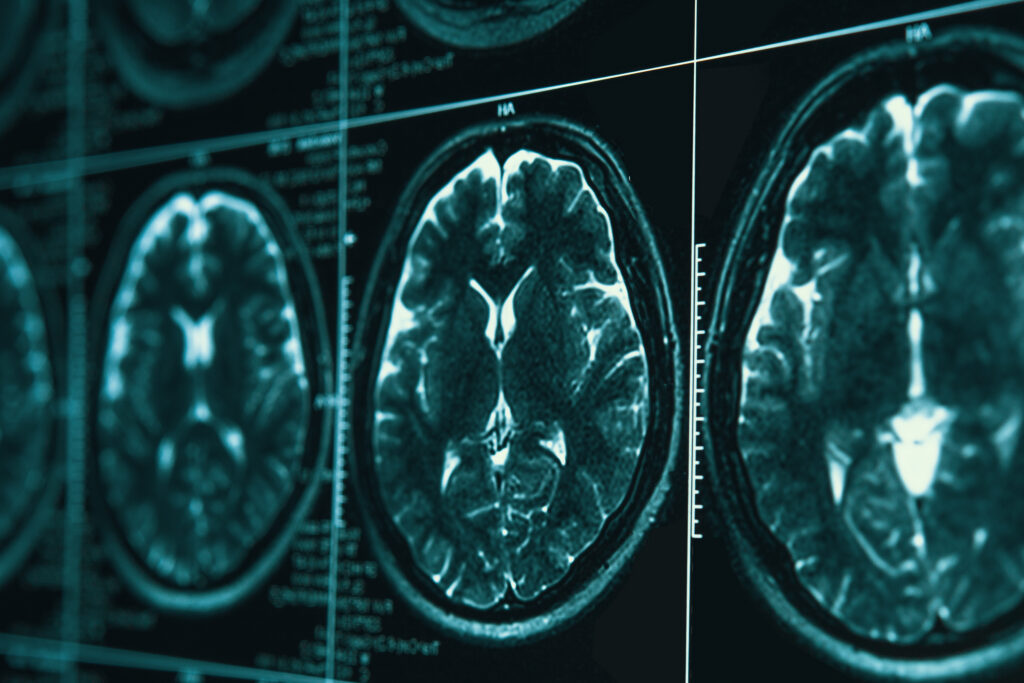
Memory is the invisible thread that stitches our lives together. When it begins to fray, the emotional toll on an individual is profound. But historically, chasing an accurate understanding of cognitive decline meant facing an entirely separate layer of dread: the invasive, painful lumbar puncture – commonly known as a spinal tap – to look for Alzheimer’s biomarkers like Tau protein.
At Affinity Diagnostics, we believe that brilliant science shouldn’t require a trade-off with human dignity. The human experience of a medical journey matters just as much as the raw data generated in the lab. That is why the technology powering advancements like the BD Tau Neuro-IP Kit is changing the narrative from a place of physical anxiety to one of profound relief.
Bringing the Brain to the Blood Sample
The underlying biological hurdle has always been simple: what happens in the brain usually stays in the brain. However, minuscule amounts of brain-derived Tau protein do manage to escape into our peripheral bloodstream. In an ordinary blood sample, these proteins are buried under a massive mountain of other biological “noise” – something scientists call matrix effects.
The BD Tau Neuro-IP Kit solves this through an elegant enrichment process. It uses magnetic immunobeads coated with a highly specific monoclonal antibody (known as 2B8) that acts like a microscopic hook, catching and isolating brain-derived Tau directly from regular blood plasma or serum.
By pulling this crucial biomarker out of the clutter, the kit makes it readable with stunning precision, boasting low variation coefficients between 1.4% and 5.6%. For the person sitting in the clinic chair, this translates to an incredible reality: the potential to track complex neurological changes through a routine, pain-free blood draw rather than a needle to the spine.
The Question on Everyone’s Mind
If this kit is currently designated for Research Use Only (RUO), how does it actually impact my life today?
It is a completely valid point to raise. While the kit is currently designated to accelerate research rather than serve as a frontline consumer diagnostic tool, its immediate human impact is massive. This technology is the exact engine driving modern clinical trials and pharmaceutical breakthroughs. By allowing researchers to monitor brain-derived Tau safely and frequently without spinal taps, it radically speeds up the development of new treatments. It brings the future of non-invasive Alzheimer’s care closer to reality every single day.
Elevating Your Perspective
To better understand how the landscape of neurological health is shifting, we highly recommend reading The End of Alzheimer’s by Dr. Dale Bredesen. This book offers an incredibly hopeful, data-driven look at how tracking early metabolic and cellular biomarkers can help us protect our cognitive longevity.
One Specific Action to Take Today: Start a proactive conversation about cognitive wellness with your family. Download a scientifically validated brain-training app, such as BrainHQ, to actively challenge your neuroplasticity and build cognitive reserve.
What to Do Next: To get a step closer to optimizing your long-term brain health, keep a simple log of your sleep quality and duration for the next two weeks. In an upcoming post, we will pull back the curtain on “The Glymphatic System” – the brain’s internal nighttime cleaning crew – and explore exactly how deep sleep helps clear out accumulating Tau proteins before they can cause structural mischief.