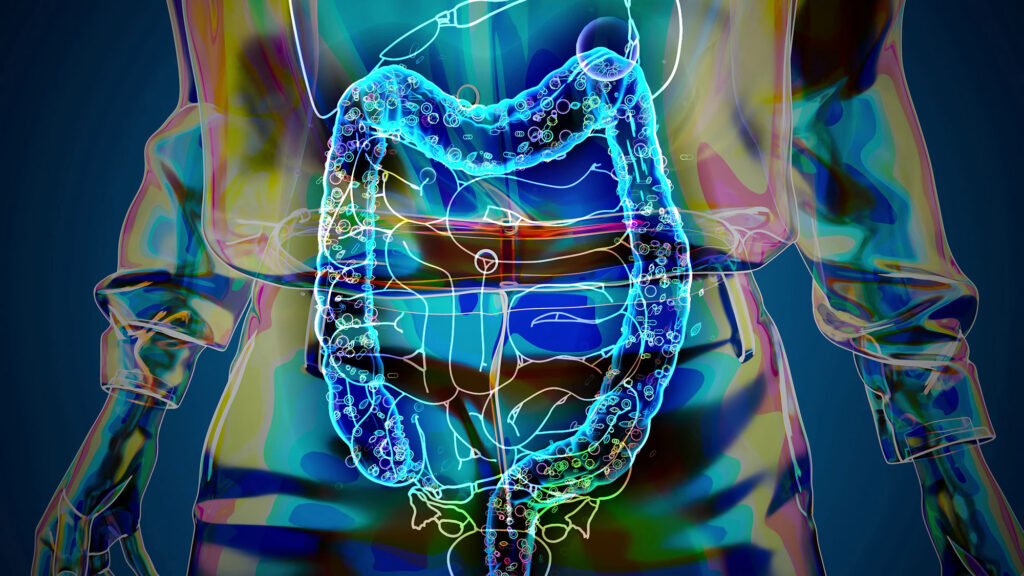
Let’s talk about your bowels. Yes, in public.
If you are one of the millions of Canadians quietly organizing your calendar, your travel routes, and your dinner invitations around the location of the nearest restroom, you already know the emotional cost of chronic gut trouble. You have likely spent months—maybe years—being told it’s “just stress” or handed the vague umbrella diagnosis of Irritable Bowel Syndrome (IBS). You have cut out gluten, eliminated dairy, lived on broth, and yet you still wake up wondering if today will be a normal day or an emergency.
At Affinity Diagnostics, we supply the Calprotectin (Stool) ELISA across Canada because chronic digestive misery should not be a lifelong guessing game. Human value equity means that every patient deserves access to fast, objective diagnostic answers rather than spending eighteen months on a gastroenterology waitlist feeling isolated and unheard.
Calprotectin is a calcium-binding protein shed by white blood cells directly into the intestinal tract during an inflammatory flare. Measuring it in a stool sample cuts right through subjective symptoms to answer the single most urgent question: Is your digestive tract irritated, or is it actively inflamed?
The Quality-of-Life Shift: From Helpless to Clear
The real value of this test is not the biochemical number on the lab sheet—it is what that number restores to your daily life:
- Freedom from Food Fear: If your calprotectin levels come back low, there is a very high probability that no organic, destructive intestinal disease is present. You can stop needlessly eliminating entire food groups out of panic and focus instead on proven, practical functional therapies.
- Avoiding Unnecessary Invasive Procedures: A low result gives your doctor the clinical justification to spare you the gruelling prep, sedation, time off work, and anxiety of a premature colonoscopy.
- Catching Relapses Before They Ruin Your Week: For individuals living with Crohn’s disease or Ulcerative Colitis, calprotectin spikes long before standard blood tests (like CRP or ESR) register an issue. Catching that rise early allows your healthcare provider to adjust your medication before a painful flare sends you to the emergency department.
- Reclaiming Confidence: You get an objective metric that validates your pain. You are not “just stressed”—there is clear biology at work, and you finally have the baseline to treat it correctly.
The Question You’re Almost Certainly Asking:
“If my Calprotectin comes back high, does that mean I definitely have Crohn’s disease or cancer?”
The Reality: Not necessarily, but it does mean your gut is in genuine distress. An elevated calprotectin level simply tells your clinician that white blood cells are actively attacking inflammation in your bowel wall. That could stem from an IBD flare, an untreated bacterial infection, or a reaction to medications like frequent NSAID use (such as ibuprofen). What it does mean is that your case is immediately prioritized: your doctor now has hard data to fast-track targeted imaging or an endoscopy so you get real treatment instead of another prescription for generic antispasmodics.
What to Read While You Wait
If you want to understand what your digestive system is actually trying to tell you without getting bogged down in impenetrable medical journals, pick up “Gut: The Inside Story of Our Body’s Most Underrated Organ” by Giulia Enders. Enders makes intestinal biology accessible, fascinating, and genuinely funny, helping you understand how your enteric nervous system, microbiome, and immune defences work in concert.
Your Action Step for Today
Stop second-guessing whether your symptoms are “bad enough” to merit attention. For the next three days, keep a concise symptom log recording stool consistency (using the Bristol Stool Chart), pain spikes, and fatigue levels. Take this sheet directly to your primary care practitioner or licensed healthcare provider and ask:
“Given my ongoing digestive symptoms, can we run a fecal calprotectin test to objectively rule out bowel inflammation before we consider invasive options?”
What’s Next: Checking Further Up the Chain
Ruling out lower-GI inflammation is step one. But what if your bloating, nausea, or acid reflux originates further up the digestive tract?
Our next article investigates the microscopic bacterium living silently in the stomachs of nearly half the global population: Helicobacter pylori. We will look at why persistent upper abdominal pain is often misdiagnosed as simple heartburn, and how a fast stool antigen test can clear the path to total stomach recovery.